
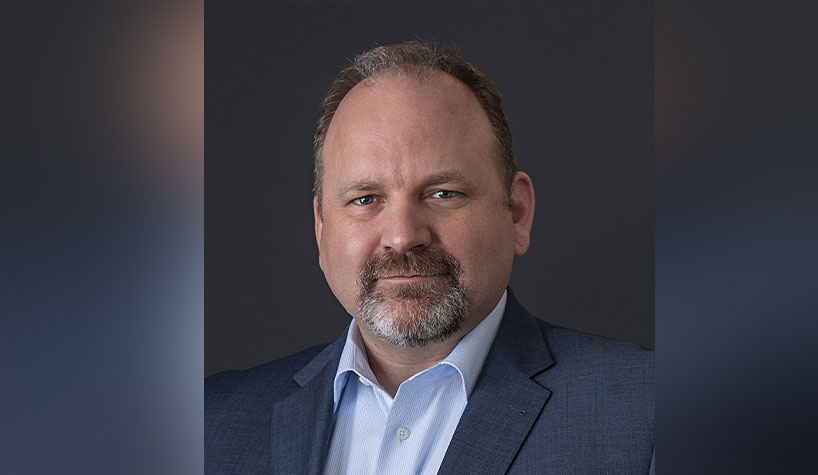
By Brian Buck
COVID-19 has devastated so many industries, but none more so than hospitality. It’s hard to imagine that just a few short weeks ago, hotels were the center of our business-meeting universe—now they’re the center of so much turmoil and change. Today, the challenge is how to adjust in a manner that gets you through this temporary situation without creating permanent issues that will extend far beyond the pandemic.
In crisis situations like this, research tells us that our brain will want to start making decisions to gain control of a situation. Whether your decision is to fight back or to run and hide, rest assured that decisions are being made.
Right after the pandemic was announced and shelter-in-place orders were given, hotels were flooded with cancellation and postponement notices, as business travel was halted and personal plans were disrupted. Immediately, hotel management and sales executives were forced to make decisions to deal with the events of the moment.
Here are a few things that you can do to ensure that the decisions made today have minimal impact on your long-term financial health.
Know Your Limits
In any negotiation, it’s important to know your limits. In moments of crisis, this knowledge becomes a lifesaver. Understanding how far you can go and what you’re willing to do will help you to avoid self-destructive decisions. Rarely is “business at any cost” the right answer—therefore, make sure that you and your team understand the limits of changes you’re willing to make. This will help to ensure that everyone is making sound decisions and remaining calm.
Understand How You Can Say “Yes”
During a crisis, you’ll be asked to do things that you haven’t considered. While your immediate reaction may be to say no, challenge yourself to find a circumstance wherein you can say yes. Ask yourself, “What do I need from them in order to say yes?” The same process works for those times when you actually want to say yes. Take a moment to think about what else you may need in order to make saying yes easier. In both scenarios, you’re giving yourself the ability to get what you need in order to give them what they want.
Conditional Based on Future Events
As people are looking for immediate relief now, find ways that you can drive future business while giving immediate relief. For instance, if someone asks for you to postpone or cancel an event without penalty, could you agree to that if they were to commit to future events of a similar nature? Keep in mind that they need your help right now, and you’ll need their help to recover.
Focus on What You Can Control
At this stage, it’s impossible to know when things will return to “normal.” Therefore, debating with a customer on the timeline of “normal” is pointless, since it’s completely out of your control. At some point, the argument will be won by the more powerful party. Meanwhile, lots of time will be wasted, relationships will be tested and emotions will become heated. Instead of debating the “beyond your control” opinion, find a way to trade that opinion. In simple terms, it will sound something like, “If you agree to do X if my opinion about a future outcome proves to be right, then I will agree to do Y if your opinion proves to be right.” This kind of trade will help you move forward without getting bogged down by what you can’t control.
Be Clear About the Precedent
If you choose to make a change based on current events that you’ll not be willing to do again in the future, then make it very clear that the change is a one-time consideration. If you’re not explicit about the limitations or reasons for the change, then you run the risk of the other party coming back in the future and expecting the same consideration.
There are no easy answers right now. However, having a plan and staying calm will help you make the best decisions possible. Following the suggestions above will help you to ensure that any changes you make today will either help you or at least not harm you in the future.
Brian Buck is CEO of Scotwork North America, a negotiation consulting firm. He has 20 years of experience as an entrepreneur, business owner and Fortune 500 executive.
This is a contributed piece to Hotel Business, authored by an industry professional. The thoughts expressed are the perspective of the bylined individual.