
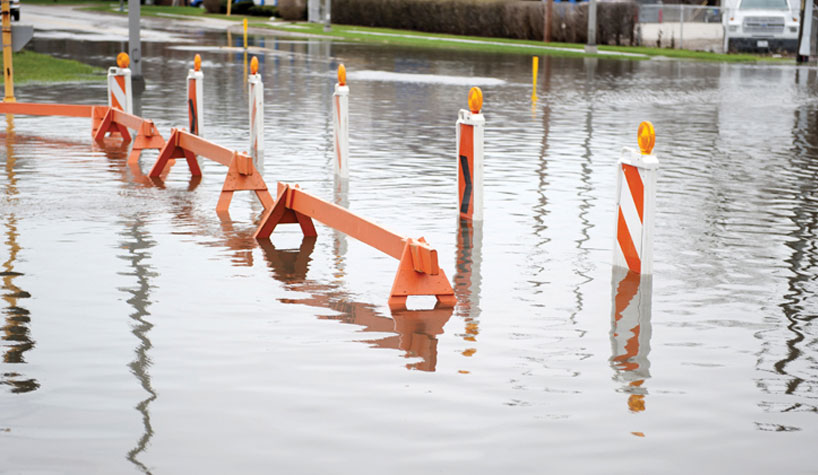
NATIONAL REPORT—Natural disasters and extreme weather events like Hurricane Harvey are beyond a hotel owner’s control, but taking the proper steps during a weather emergency can help teams on the property level to prepare for severe, potentially life-threatening conditions and protect the bottom line.
“At a lower rate, in the early stages of a disaster, hotels need to be prepared to attract a different customer,” Bob Rauch, founder, CEO and 40-year veteran hotelier of RAR Hospitality, a hotel management and consulting company, told Hotel Business. “What occurs frequently is that demand is from relief workers, volunteers, displaced local residents and the regular corporate and leisure travelers to the area. Most disasters have significant increases in occupancy due to all of the abnormal demand and hence, compression occurs whereby there are not enough rooms to go around; so, rates rise. While some hotels might have to cut costs, if they are the hotel with reduced rates due to Red Cross or other contracts, those guests are extended-stay and don’t require as much housekeeping.”
Property owners and managers in potentially dangerous conditions should first assess the safety of guests and team members. The following step is to “show compassion for local residents by reducing rates for early stages of the disaster and relaxing rules,” Rauch explained. For instance, properties should be a bit more flexible on pets, guests per room and F&B.

It’s important for properties to have a GM who’s able to appropriately handle a crisis and respond to the media. “It is also critical to have a management team that understands insurance claims,” he said. “When damage is done to properties that have some age, insurance will cover the rebuilding, which can then perform at even higher levels when it reopens as a new hotel.”
Any rebuilding will be based on a couple of factors: the amount of damage done, and the amount of public and private expenditures contributed to restoring the economy, he noted. “Large investments in restoration and/or reconstruction will produce the best results, but whether it’s a hurricane or a gas leak, damage must be assessed after the event has concluded.” Additional inclement weather can also impede any restoring efforts.
“While the toll that is taken by these events can be high and may include loss of life, limbs and emotional distress, economic recovery in our industry has historically been good to those who handle a crisis well due to the combination of rebuilding anew and additional demand that ultimately creates higher rates in the short term,” Rauch said.